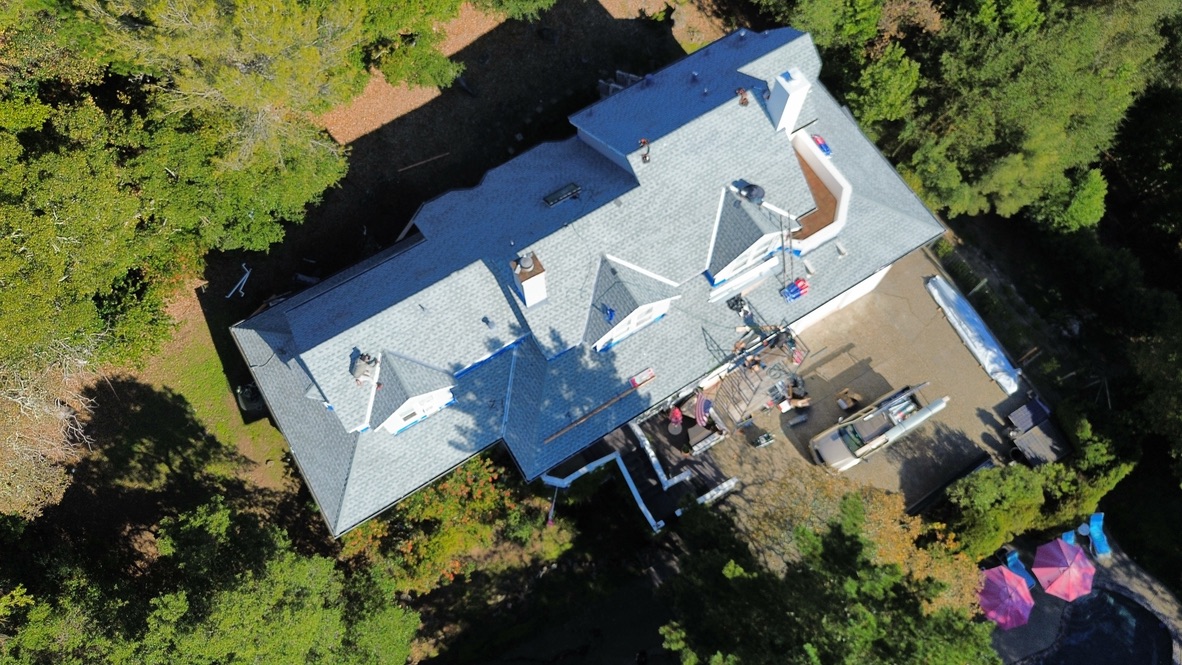
The Green Menace: How to Safely Remove Roof Moss & Algae in the Bay Area
The Green Menace: How to Safely Remove Roof Moss & Algae in the Bay Area
If you live anywhere near the San Francisco Bay, Marin County, or the damp, tree-lined hills of the East Bay, you've likely seen it: dark, unsightly black streaks running down roof slopes, or thick cushions of bright green moss wedged between shingles.
In our unique Northern California climate — where ocean fog rolls in overnight and gets trapped under mature oak and redwood canopies — moss, algae, and lichen thrive.
While moss might look charming on a stone garden wall, on your roof, it is an active structural hazard. Even worse, many well-meaning homeowners try to clean it using the worst tool possible: a high-pressure washer.
At Golden Heights Roofing, we deal with the damaging effects of coastal moisture every single day. Here is what that green growth is actually doing to your roof, why blasting it with high pressure is a catastrophic mistake, and how to safely treat it without voiding your warranty.
What Are Those Black Streaks and Green Clumps?
It helps to know what you're dealing with:
- The Black Streaks (Gloeocapsa Magma): Those dark, tiger-stripe streaks aren't dirt or soot. They are an airborne blue-green cyanobacteria (algae) that feeds on the calcium carbonate limestone filler used in modern asphalt shingles. As it spreads, it darkens your roof, causing it to absorb excess summer heat instead of reflecting it.
- The Green Clumps (True Moss & Lichen): Moss is a primitive plant with tiny root systems called rhizoids. Moss doesn't just sit on your roof; its roots anchor directly into the shingle surface, lifting shingle edges like small wedges and holding moisture against your waterproof underlayment like a wet sponge.
During rainy Bay Area winters, trapped water under moss freezes and expands, cracking shingles. During dry summers, it bakes the wood beneath, accelerating dry rot and organic decomposition.
The #1 Mistake: Never Pressure Wash Your Roof
When homeowners see moss, their first instinct is often to hire a general pressure washing service or pull out their own power washer.
This is the fastest way to ruin a roof.
Here is what high-pressure washing actually does:
- Strips Off Protective Granules: Asphalt shingles rely on mineral granules to shield against UV radiation and physical wear. High pressure blasts these granules away in seconds, leaving bare asphalt exposed to sun rot.
- Breaks the Adhesive Seal: Water sprayed at high pressure easily forces its way upward underneath shingle tabs, breaking factory tar bonds and blowing water directly into your attic.
- Instantly Voids Your Warranty: Major manufacturers (GAF, Owens Corning, CertainTeed) explicitly state that damage caused by pressure washing voids material coverage.
The Right Way: "Soft Washing" & Preventative Zinc Treatments
To get rid of roof algae and moss without destroying your shingles, the roofing industry relies on chemical eradication, not brute force.
1. Low-Pressure Soft Washing
Instead of blasting shingles with 3,000 PSI, professionals use specialized low-pressure pumps (under 100 PSI — similar to garden hose pressure) to apply eco-friendly, biodegradable algaecide and fungal treatments. The solution penetrates the root systems of the moss and lichen, neutralizing them down to the cellular level. Within days, the dead moss naturally dries up, detaches, and washes away during regular rainfall without stripping shingle granules.
2. Zinc and Copper Inhibitor Strips
Notice how the shingles immediately below metal plumbing vents or galvanized flashing are always clean and streak-free? That's because trace metal ions naturally inhibit fungal growth. Installing discrete zinc or copper strips along your roof ridges creates a protective barrier: every time it rains, microscopic metal ions wash down your slopes, preventing new spores from taking root for years to come.
3. Tree Trimming & Sun Exposure
Moss cannot thrive in direct sunlight. Trimming back overhanging branches allows morning sunlight to dry coastal morning dew quickly, depriving moss of the damp shade it requires to reproduce.
When Moss Removal Turns Into a Roof Replacement
If moss has been left untreated for years, simply killing it might reveal that the underlying shingles are already brittle, curled, or rotted through.
Before investing in expensive cleaning, have a licensed C-39 roofing contractor inspect the depth of shingle decay. If your shingles are shedding bare granules or the wood deck feels spongy, replacing the roof with modern, algae-resistant shingles featuring copper-infused granules is often the more cost-effective long-term solution.
Protect Your Roof from Bay Area Moisture
Don't let moss eat away at your home's equity.
Contact Golden Heights Roofing today at (510) 587-9501 or Click Here to Schedule Your Roof Inspection!
Ready to Get Started?
Get a Free Roof Estimate Today
Licensed roofing contractor serving the San Francisco Bay Area. CSLB #1068868.