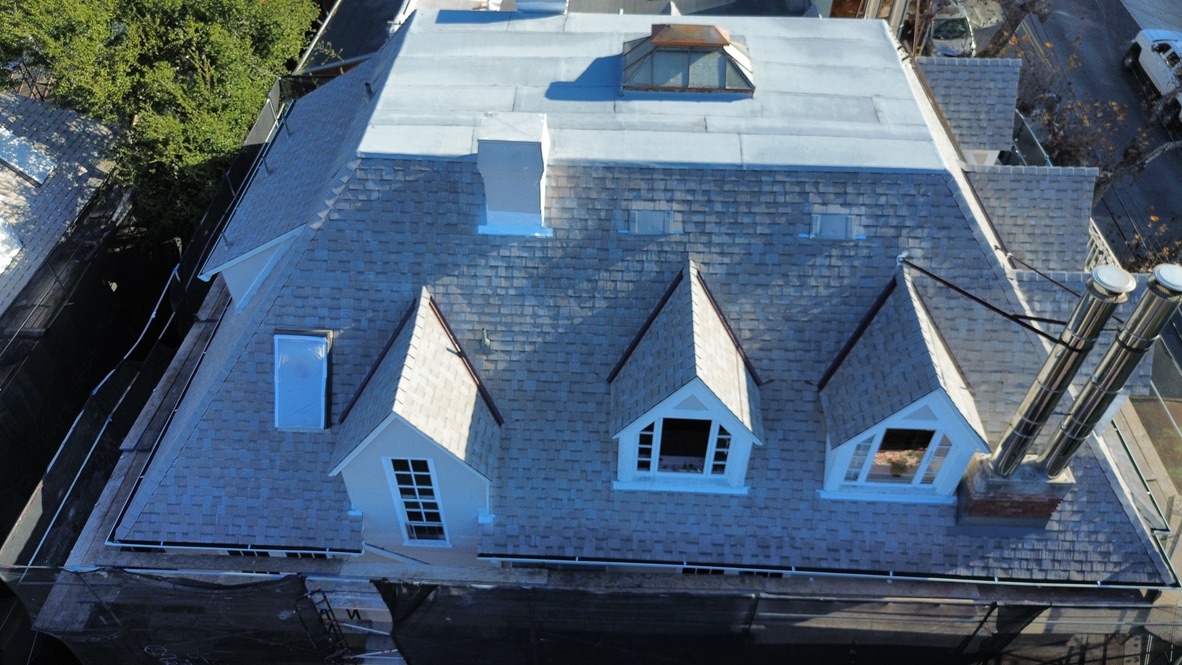
Skylights & New Roofs: Why Replacing Them Together Saves You From a Leak Nightmare
Skylights & New Roofs: Why Replacing Them Together Saves You From a Leak Nightmare
There is nothing quite like natural light pouring into a home from a well-placed skylight. In the Bay Area — where foggy mornings in San Francisco, tree-shaded lots in the East Bay, and sunny afternoons in Silicon Valley define our indoor spaces — skylights bring rooms to life and brighten living areas without turning on a single lamp.
However, skylights also represent a deliberate, sizable hole cut directly through your roof deck.
When homeowners plan a full roof replacement, one of the most common questions we hear is: "My skylights look fine. Can't we just work around them and keep the existing ones to save money?"
It sounds like a smart budget move on the surface. But in practice, leaving an aging skylight untouched while installing a brand-new 30-year roof is one of the most expensive shortcuts a homeowner can take.
At Golden Heights Roofing, we believe in preventing leaks before they ever start. Here is why skylights leak, the real benefits of replacing them during your reroofing project, and how modern energy-efficient models enhance home comfort.
1. The Lifespan Mismatch: Skylights vs. Modern Roofs
Modern architectural shingle and composite roofing systems are engineered to last anywhere from 25 to 50 years.
Standard skylights, on the other hand, rely on rubber gaskets, thermal sealants, and acrylic or tempered glass designed for a functional lifespan of roughly 15 to 20 years.
If your current roof is 18 years old and ready for replacement, your skylights are already near the end of their operational lifespan. Reinstalling old units means:
- The rubber seals around the glass are already dried out and brittle from years of intense California UV exposure.
- Inevitably, the skylight seals will fail a few years down the road, requiring emergency removal that disturbs and damages your brand-new shingles.
2. Flashing Integrity and Seamless Waterproofing Warranties
Skylight leaks rarely happen through the glass itself — nearly 90% of skylight leaks occur in the metal flashing kit surrounding the unit.
To install a new roof properly, roofers must strip away old shingles and tear off old flashing around the skylight curb down to the bare wooden frame:
- The Problem with Reusing Old Units: Old metal flanges buckle, corrode, or fail to fit securely against modern, thicker synthetic underlayment and starter shingles.
- The Advantage of New Deck-Mounted Units: Modern skylights (such as Velux deck-mounted systems) come with factory-engineered, pre-formed flashing kits and self-adhering waterproof membranes. Installing them together creates a continuous, uninterrupted barrier tied directly into your roof deck.
- Warranty Protection: Manufacturers and roofing contractors offer full workmanship and leak-free warranties when both the roof and flashing systems are installed brand new together.
3. Energy Efficiency: Stop the Greenhouse Effect
Older skylights — especially bubble-style acrylic units from the 1980s and 1990s — are notorious energy wasters. During hot summer days in Walnut Creek, Concord, or San Jose, uninsulated skylights turn kitchens and living rooms into miniature greenhouses, driving up cooling bills.
Modern skylight upgrades feature:
- Low-E Insulated Glass: Advanced dual-pane glass coatings reflect infrared heat while letting natural visible light flood in, meeting strict California Title 24 energy-efficiency requirements.
- Solar-Powered Venting: Venting skylights open quietly with remote or smart-sensor controls to let hot air escape from high ceilings, bringing fresh coastal breezes indoors and cutting down on AC usage.
- Integrated Solar Blinds: Built-in blackout or light-filtering blinds powered by small solar cells allow you to block mid-day summer glare automatically.
4. The Labor Cost Advantage: Do It Once, Do It Right
The single biggest expense in skylight work is the labor required to access, flash, and seal the opening.
- During a Roof Replacement: The roof is already completely stripped, safety gear is set up, dumpsters are on-site, and the crew is installing underlayment across the entire plane. Replacing a skylight at this stage takes minimal additional labor.
- After the Fact: Replacing a failed skylight a few years later requires dispatching a crew, manually breaking the tar seal on your new shingles, tearing out shingles around the curb, reframing flashing, and trying to color-match replacement shingles. The labor cost to replace a skylight independently is often double what it costs to do during reroofing.
What to Look for During a Skylight & Roof Assessment
Before signing off on your roof replacement scope of work, inspect your skylights with your contractor:
- Condensation Between Glass Panes: A foggy or cloudy look between glass layers means the thermal seal has failed.
- Water Staining Around Drywall Troughs: Brown water rings on the ceiling drywall below the skylight tunnel point to active flashing breakdown.
- Cracking or Yellowing Acrylic: Plastic bubble skylights turn brittle and yellow under UV light, making them prone to cracking under falling branches or hail.
Brighten Your Home with Guaranteed Leak-Free Protection
Replacing your skylights during a roof replacement provides fresh architectural appeal, lower summer energy bills, and total peace of mind when the winter storms roll in.
Contact Golden Heights Roofing today at (510) 587-9501 or Click Here to Request Your Free Roof & Skylight Estimate!
Ready to Get Started?
Get a Free Roof Estimate Today
Licensed roofing contractor serving the San Francisco Bay Area. CSLB #1068868.