
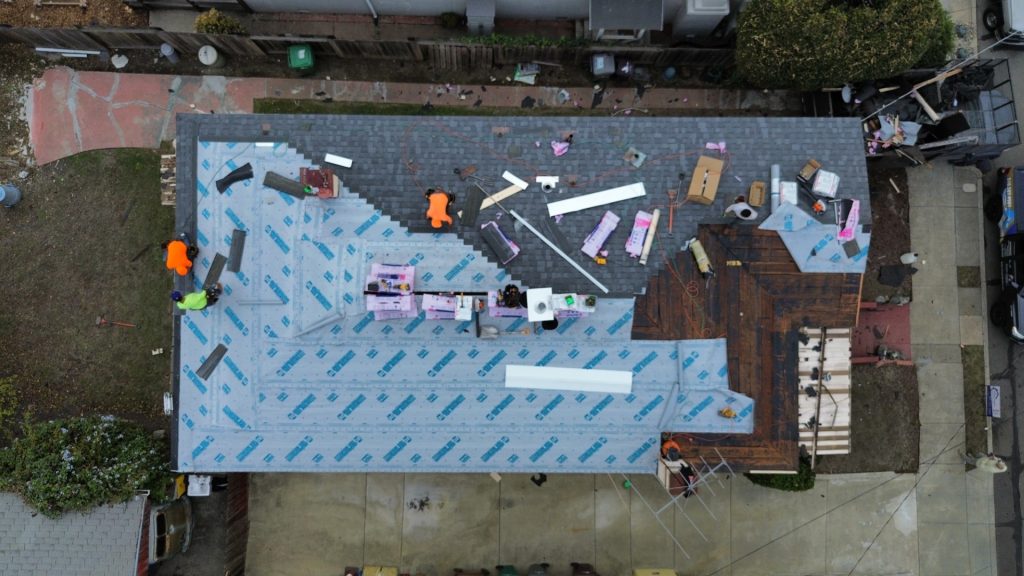
When you’re investing in a new roof, durability should be at the top of your priority list. Your roof protects everything you value – your family, belongings, and the structural integrity of your home. But with so many roofing options available, how do you choose the best roofing material that will truly stand the test of time?
In this comprehensive guide, we’ll explore what are the top 5 roofing materials that offer exceptional durability, helping you make an informed decision that protects your home for decades to come.
Understanding Roofing Durability: What Really Matters
Before diving into specific materials, let’s clarify what makes a roofing material truly durable:
- Lifespan: How many years will it last?
- Weather resistance: Can it withstand extreme heat, heavy rain, and wind?
- Maintenance requirements: How much upkeep does it need?
- Impact resistance: Will it survive hail, falling branches, or debris?
- Cost-effectiveness over time: Does the longevity justify the initial investment?
Understanding these factors helps answer the critical question: what is the best roofing material for your specific climate and budget?
The Top 5 Most Durable Roofing Materials
- Metal Roofing: The Champion of Longevity
Lifespan: 40-70+ years
Metal roofing has become increasingly popular, and for good reason. If you’re wondering is metal roofing worth it, the answer is a resounding yes for homeowners seeking maximum durability.
Why Metal Roofing Stands Out:
- Exceptional resistance to fire, rot, and insect damage
- Withstands extreme weather conditions including heavy monsoons and intense heat
- Minimal maintenance requirements
- Reflects solar heat, reducing cooling costs
- 100% recyclable at end of life
Common Concerns Addressed:
How much does metal roofing cost? While the initial investment is higher than traditional materials, metal roofing typically costs between $5.50-$14 per square foot installed. Many homeowners ask, is metal roofing cheaper than shingles long-term? When you factor in the 50+ year lifespan versus 20-25 years for shingles, metal roofing often proves more cost-effective.
How much is metal roofing compared to other options? The upfront cost may be 2-3 times higher than asphalt shingles, but you’ll likely never need to replace it again, making it one of the most cost-effective investments over the life of your home.
Installation Considerations:
Professional installation is crucial for metal roofing performance. If you’re considering this option, knowing how to choose a roofing contractor with metal roofing expertise is essential. Look for contractors experienced in how to install metal roofing properly, including critical details like where to screw metal roofing and how to overlap metal roofing for maximum weather protection.
Get a Free Metal Roofing Quote from Local Experts
- Slate Roofing: The Century-Old Solution
Lifespan: 75-200 years
What is slate roofing? It’s a natural stone roofing material that has protected homes for centuries. If you’ve ever seen historic buildings with beautiful, intact roofs, chances are they’re slate.
Advantages of Slate:
- Unmatched longevity – can outlast the building itself
- Fire-resistant and environmentally friendly
- Distinctive, elegant appearance that enhances curb appeal
- Requires virtually no maintenance
- Completely impervious to rot and insect damage
Important Considerations:
- Extremely heavy – requires structural reinforcement for most homes
- Higher cost: $15-$30 per square foot installed
- Requires specialized contractors for installation and repairs
- Not suitable for all roof structures
If you’re building a new home or have a structure that can support the weight, slate offers the ultimate in durability and prestige.
- Clay and Concrete Tile: Time-Tested Durability
Lifespan: 50-100+ years
Tile roofing has protected homes in hot, sunny climates for thousands of years. These materials excel in areas with intense sun exposure and moderate precipitation.
Why Tile Roofing Excels:
- Outstanding resistance to fire and high temperatures
- Excellent insulation properties
- Minimal maintenance over decades
- Available in various styles and colors
- Class A fire rating
Local Climate Benefits:
For homeowners in regions with hot summers, tile roofing naturally ventilates, reducing cooling costs significantly. The air space beneath tiles allows heat to dissipate before entering your home.
Cost Considerations:
Concrete tiles: $10-$18 per square foot Clay tiles: $12-$25 per square foot
Schedule a Free Roof Inspection and Material Consultation
- Modified Bitumen Roofing: The Commercial-Grade Solution
Lifespan: 20-30 years
What is modified bitumen roofing? This is an evolution of traditional built-up roofing, enhanced with modern polymers for increased flexibility and durability.
Best For:
- Flat or low-slope roofs
- Commercial buildings
- Homes with modern architectural designs
Advantages:
- Excellent waterproofing capabilities
- Resistant to extreme temperature fluctuations
- Self-adhering options available
- Easier and faster to install than traditional built-up roofing
- Good resistance to tearing and impact
This material is particularly effective in climates with temperature extremes and is often the answer to what is commercial roofing needs.
- EPDM Rubber Roofing: Modern Durability
Lifespan: 25-40 years
What is EPDM roofing? EPDM stands for Ethylene Propylene Diene Monomer – a synthetic rubber roofing membrane that’s become increasingly popular for flat and low-slope roofs.
Why EPDM Works:
- Outstanding weather resistance
- Resistant to UV radiation and ozone
- Flexible in both hot and cold temperatures
- Lightweight and easy to maintain
- Cost-effective: $4-$8 per square foot
What does EPDM stand for in roofing beyond the technical name? It represents a balance of affordability, durability, and ease of installation that makes it ideal for residential flat roofs.
Understanding Roofing Costs and Measurements
What Is a Roofing Square?
One common question homeowners ask is what is a square in roofing or how big is a roofing square? A roofing square equals 100 square feet of roof area. This standardized measurement helps contractors provide accurate estimates.
How many square feet in a roofing square? Exactly 100 square feet.
How Much Does Roofing Cost?
How much does it cost to replace roofing? The answer depends on:
- Material choice: From $3/sq ft (basic shingles) to $30/sq ft (premium slate)
- Roof size and complexity: More squares = higher total cost
- Removal of old materials: Adds $1-$5 per square foot
- Location and labor rates: Varies by region
- Roof accessibility: Steep or multi-story roofs cost more
How much is roofing material per square? Here’s a quick reference:
- Asphalt shingles: $90-$150 per square
- Metal roofing: $550-$1,400 per square
- Tile: $1,000-$1,800 per square
- Slate: $1,500-$3,000 per square
What Are the 3 Types of Shingles Used When Roofing?
While we’ve focused on premium materials, traditional shingles remain popular. What are the 3 types of shingles used when roofing?
- 3-Tab Shingles: Most economical, 20-25 year lifespan
- Architectural/Dimensional Shingles: Enhanced durability, 30-50 year lifespan
- Luxury/Designer Shingles: Premium appearance, 40-50+ year lifespan
What are the best roofing shingles? Architectural shingles offer the best balance of cost, appearance, and longevity for most homeowners.
Common Local Roofing Problems & How Durable Materials Solve Them
Problem #1: Frequent Repairs Due to Weather Damage
Local Challenge: Intense summer heat, monsoon rains, and occasional hailstorms cause premature shingle failure.
Solution: Upgrading to metal or tile roofing eliminates 90% of weather-related repairs. These materials won’t crack, curl, or blow off in storms.
Problem #2: High Energy Bills from Poor Insulation
Local Challenge: Dark roofs absorb heat, making homes unbearably hot and increasing AC costs.
Solution: Metal roofing with reflective coatings or tile roofing with natural ventilation can reduce cooling costs by 20-40%.
Problem #3: Short Roof Lifespan Means Repeated Replacement Costs
Local Challenge: Replacing an asphalt shingle roof every 15-20 years becomes expensive.
Solution: Investing in durable materials like metal, slate, or tile means you’ll never need to replace your roof again. The higher upfront cost pays for itself through eliminated future replacement costs.
Problem #4: Finding Reliable Contractors
Local Challenge: Many homeowners struggle with how to choose a roofing contractor they can trust.
Solution: Look for these key qualities:
- Licensed and insured
- Local references and portfolio
- Written warranties
- Experience with your chosen material
- Clear, detailed estimates
Connect with Pre-Screened Local Roofing Professionals
How to Choose the Best Roofing Material for Your Home
When deciding on the most durable roofing material, consider:
- Your Budget
Balance initial investment with long-term value. How much does roofing cost over 30 years with multiple replacements versus one premium installation?
- Your Climate
- Hot, sunny climates: Metal, tile, or slate
- Heavy rain areas: Metal or properly installed EPDM
- Varied weather: Metal roofing excels in all conditions
- Your Home’s Structure
Heavy materials like slate require structural support. Consult a structural engineer before committing to heavyweight materials.
- Aesthetic Preferences
How does roofing impact curb appeal? Significantly! Choose materials that complement your home’s architectural style:
- Modern homes: Metal roofing
- Traditional homes: Slate or architectural shingles
- Mediterranean style: Clay or concrete tile
- Maintenance Willingness
Most durable materials require minimal maintenance, but installation quality matters more than material choice. How to pick a roofing contractor with proven expertise in your chosen material is crucial.
Is Metal Roofing Worth It? The Definitive Answer
Many homeowners specifically ask: is metal roofing worth it for the premium price?
The Numbers Don’t Lie:
Asphalt Shingle Scenario (50 years):
- Initial installation: $8,000
- First replacement (year 20): $10,000
- Second replacement (year 40): $13,000
- Total: $31,000
Metal Roofing Scenario (50 years):
- Initial installation: $18,000
- Replacements needed: $0
- Total: $18,000
Savings: $13,000 plus reduced maintenance and energy costs
The answer? For homeowners planning to stay in their home long-term, metal roofing is absolutely worth the investment.
Taking Action: Your Next Steps
Now that you understand what are the top 5 roofing materials and their durability advantages, it’s time to take action:
Step 1: Assess Your Current Roof
Schedule a professional inspection to understand your roof’s condition and structural capabilities.
Step 2: Get Multiple Quotes
Contact at least 3 qualified contractors. Ask about:
- Experience with your preferred material
- Warranty details
- How to estimate a roofing job methodology
- Timeline and project scope
Step 3: Check Credentials
Verify licensing, insurance, and references. Understanding how to choose a good commercial roofing contractor or residential specialist protects your investment.
Step 4: Review Warranties
Premium materials come with extended manufacturer warranties (often 30-50 years), but installation warranties matter equally.
Request Your Free, No-Obligation Roofing Consultation Today
Frequently Asked Questions
What is the best roofing material for durability?
For maximum durability, slate roofing (75-200 years) tops the list, followed by metal roofing (40-70+ years) and tile roofing (50-100 years).
Is metal roofing cheaper than shingles over time?
Yes. While metal roofing costs 2-3x more initially, it lasts 2-3x longer, requires less maintenance, and reduces energy costs, making it more economical long-term.
How much does metal roofing cost compared to traditional materials?
Metal roofing typically costs $5.50-$14 per square foot installed, versus $3-$5 for asphalt shingles. However, metal roofing’s 50+ year lifespan makes it cost-effective.
What roofing material requires the least maintenance?
Metal and slate roofing require minimal maintenance – typically just annual inspections and gutter cleaning.
How do I know if my roof structure can support heavy materials like slate?
Consult a structural engineer before choosing slate or heavy tile. Many existing structures require reinforcement to safely support these materials.
Invest in Durability, Invest in Peace of Mind
Choosing durable roofing materials is one of the smartest investments you can make in your home. Whether you opt for the century-long protection of slate, the modern efficiency of metal, or the time-tested reliability of tile, premium roofing materials deliver:
- Decades of worry-free protection
- Reduced lifetime costs through eliminated replacements
- Lower energy bills
- Enhanced home value and curb appeal
- Environmental benefits through longevity
Don’t settle for replacing your roof every 15-20 years. Make the smart choice once, and enjoy permanent protection for your most valuable asset.
The question isn’t whether you can afford durable roofing materials – it’s whether you can afford not to invest in them.
Ready to get started?
Get in touch with our team — we'd love to help with your project.